
Next dates: June 26 and 25, 2025

Place : Le Rocher de Palmer, 1 rue Aristide Briand, 33152 Cenon, France
Three days to deepen your knowledge of European funds, analyse them and mobilise the right programme for your project. May be covered by your OPCO.
The aim of this training is to provide trainees with the tools and resources necessary to develop an international cooperation project with a view to responding to European and international calls for tenders.
Prerequisites: Trainees must have roles that enable them to develop cooperation projects.
The training courses are accessible to people with reduced mobility and people with disabilities.
Response and registration for training courses within 48 hours.

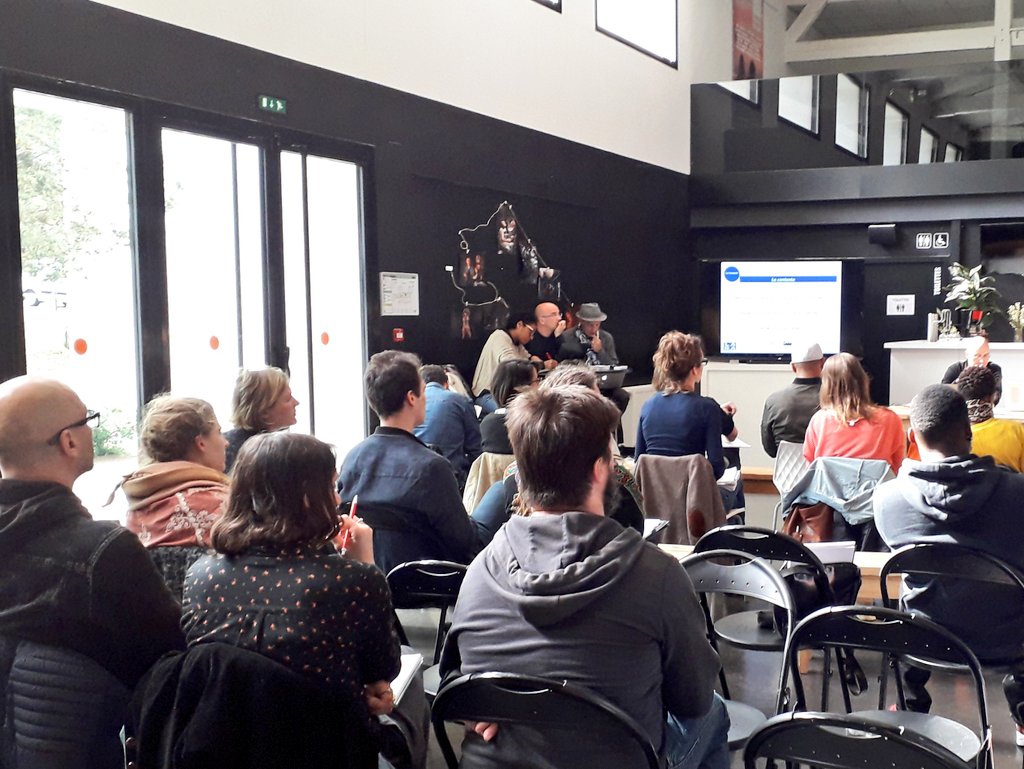
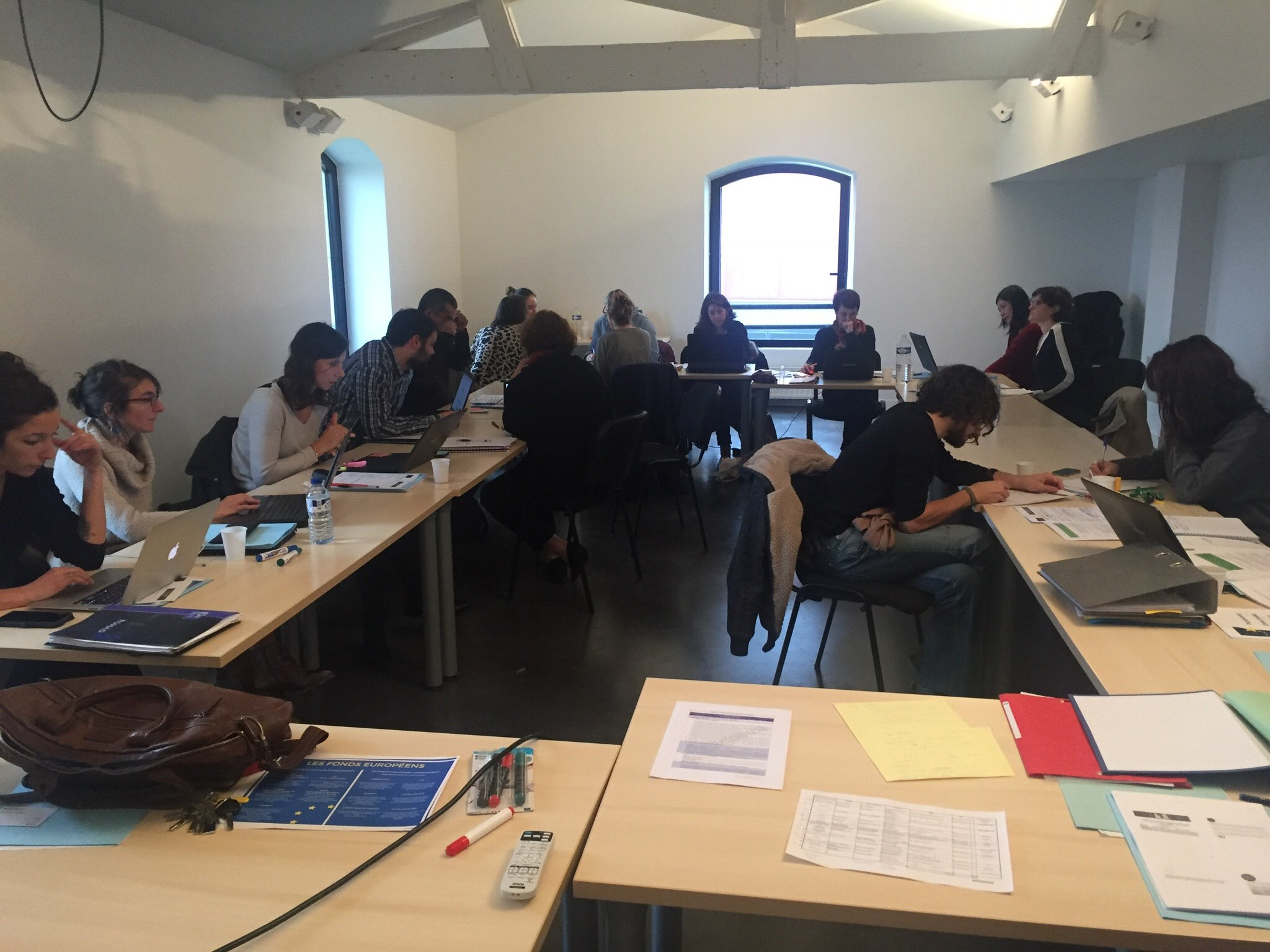
The training takes place in person or remotely. In order to best complement the theory and encourage the drafting of projects at the end of the training, this ‘action training’ is based on the participants’ project ideas, or projects that are already concrete. Expositive and participatory methods are used.
The teaching materials (reference texts, projects and budgets) given to the trainees are adapted to the participants. All documents are sent to each trainee by email during and at the end of the training course.
Intended for: Managers or employees working on project development, coordination and management in the fields of tourism, sport and culture.

European funding programs for local development: eligibility criteria, funding circuit, action frameworks

complementary territorial financing: territorial criteria, financing procedure

a global strategy for the development and revitalization of a territory by integrating social, economic, cultural, environmental, urban planning and tourist dimensions

budgetary and financial management of European structural funds and complementary territorial funds: management monitoring and budgetary control
Day 1 :
Introduction to European funding programs for local development, with a focus on knowledge of funds and specific programs for local development. Participants explore the different fields of intervention such as rural, urban and cross-border areas, while becoming familiar with programs associated with local development such as the FSE, the FEDER, LEADER and INTERREG. They also learn the skills needed to effectively search for relevant information.
Day 2:
Participants analyze the projects in subgroups, then share and analyze the results. The speakers take up the key points of the methodology used in these projects, while explaining the rules for managing structural funds.
Day 3:
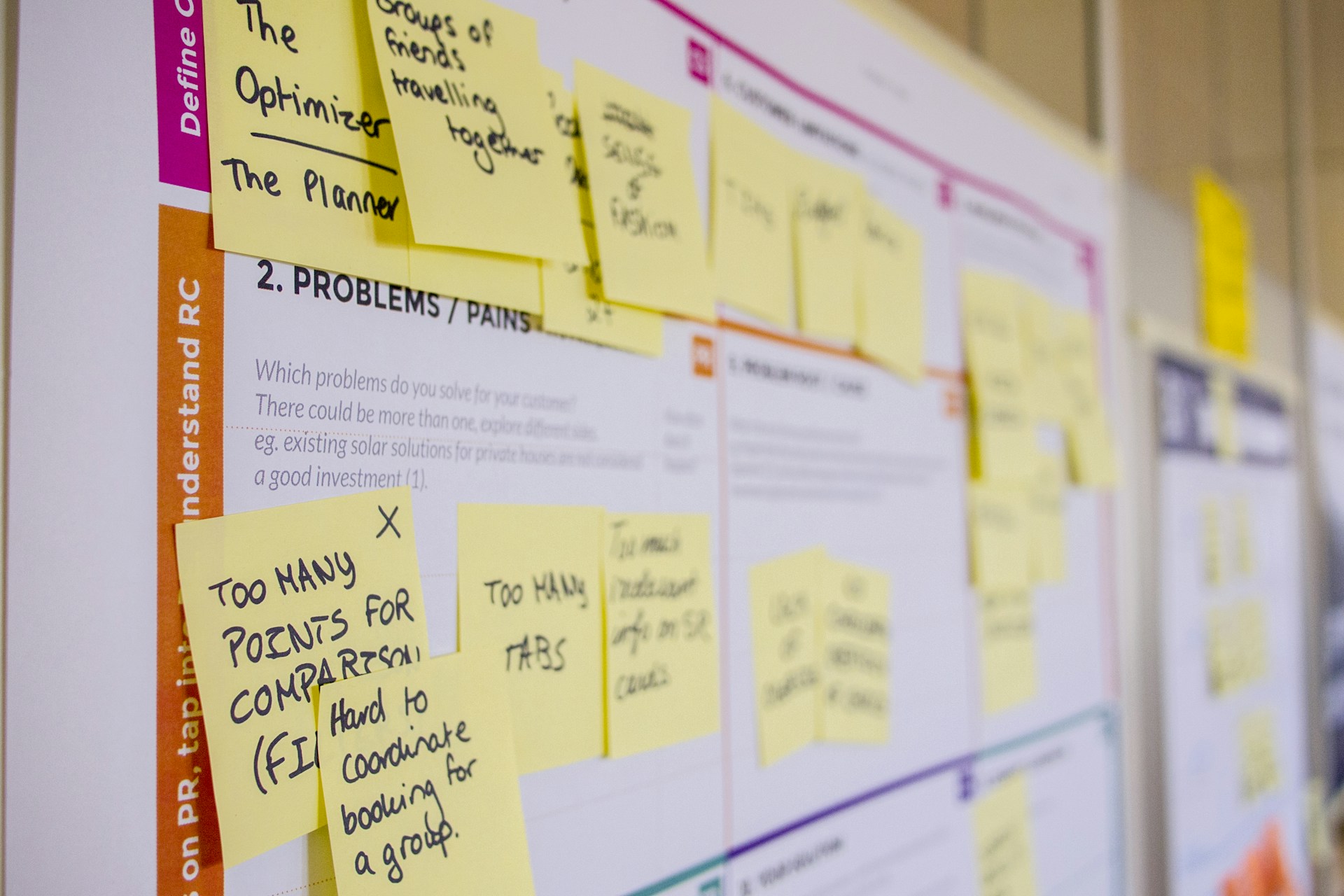
Trainers work individually with participants to adapt their project to the eligibility criteria of the targeted call. Participants formalize the objectives, action plan and impacts of their project, while developing and enriching their partnership. They learn how to present their project artistically, in terms of development, marketing and financing strategy. Finally, expert feedback is provided to help improve projects.

The training courses are led by project leaders, evaluators and
consultants who are familiar with the programmes and set up and manage numerous projects.
Maïté COSNARD, Director of the firm Eléo Conseil. She has a doctorate in economics and specialises in European funding (ERDF, ESF, INTERREG, FP7, EMFF, EAFRD, etc.), as well as national and regional funding. She helps local authorities and associations to define and set up numerous projects.
Eric NEZAN, Administrative and Financial Manager, he joins the LABA and ALBA team.
Administrator of Les Transmusicales de Rennes and La Fabrique Pola in Bordeaux. After 15 years of professional experience in the cultural sector, he joins the LABA team as administrative and financial manager. He supports the management of our local development projects (ESF, ERDF, LEADER).

Trainees draw up a diagnosis of their organisation with regard to European issues:
● Identification of programmes and partners with a view to submitting an application.
● Drafting of an initial note establishing the context, objectives and partners
of a project in response to a call for projects.
The knowledge acquired is assessed by the quality of the documents produced. At the end of the training, a satisfaction questionnaire and a training certificate will be issued to the trainee, who does not receive a qualification or diploma.

Duration: 3 days, from 9.30am to 5.30pm with a lunch break.
Dates: 2 days on Thursday 12 and Friday 13 December (in person) at Le Rocher de Palmer, 1 rue Aristide Briand, 33152 Cenon, then one day of individual training (online), to be determined later with the trainers.
Maximum number of participants: 12

One course: €1,155 net of tax
Both courses (with Course 1 – International Cooperation): €1,900 excluding VAT
Coverage may be available from your OPCO.
Training organisation activity declaration number: 75331398233
Qualiopi certificate No. 2020/88461.3 dated 09/02/2022

You can contact us throughout the year and we will come to your organisation on a variable number of days to support your teams and help them submit their projects.
Contact Margaux VELEZ
05 57 04 09 72 / contact@alba-international.eu